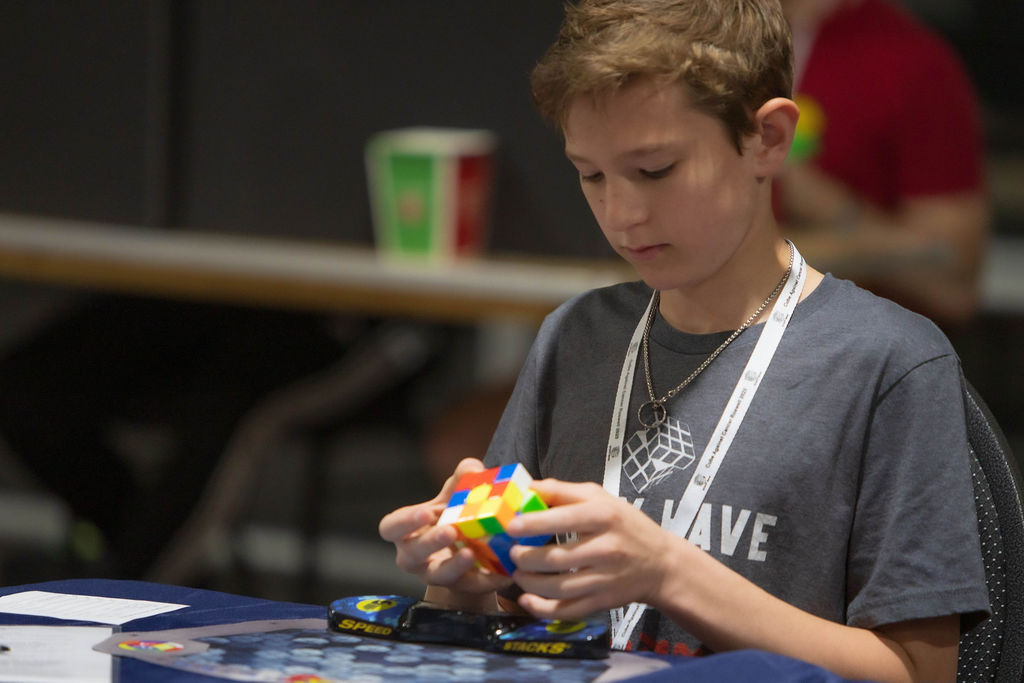
We are often asked if there is research and data supporting the efficacy of LearningRx training. This is often because you can hear mixed opinions about brain training in general.
Research and Brain Training
Over the years, there have been articles in various magazines and publications, and some reach the conclusion that brain training may not be effective, that there is a lack of evidence supporting the industry. However, these articles are solely looking at on-line brain game types of programs and not services like LearningRx which provides in-person, and individualized, and intensive 1-on-1 cognitive skills training. We would agree with those conclusions related to on-line brain game programs. However, LearningRx training is very different.
How LearningRx Training Differs From Online Brain Games
Our training is 1-on-1 with a certified cognitive skills training who stays with each client throughout the brain training process. This enables us to individualize each program based on each client’s personality and level of motivation, cognitive skill levels and training goals. Our certified trainers can provide immediate feedback and adjust the training focus based on the client’s performance and response session-to-session.
In addition, many of the online brain game programs have a narrow focus. For example, they may focus on working memory or visual processing. However, the LearningRx Savage brain training program is comprehensive across all core cognitive skills and training is adjusted based on the cognitive deficits of each individual. This enables us to focus on the areas each client needs help and not waste time on skills that are already strong.
LearningRx training is also more intensive. Sessions are typically 3 times per week and, given the training is with a certified trainer, there is a greater level of accountability than an online program.
But Is LearningRx Brain Training Supported by Research?
To date, there have been over 40 studies completed on the LearningRx cognitive training methodology and 17 of these have been published by researchers in peer-reviewed psychology, medical, and educational journals. This is not general research on the brain training industry, but specific research on LearningRx training.
This research includes studies related to school age students, those diagnosed with ADHD, reading training, adults experiencing cognitive decline, and TBI survivors.
As a whole, the research on LearningRx Savage brain training provides a convergence of evidence that our training programs work. This is measured by the cognitive skill improvements our training drives, the actual changes in brain function as a result of LearningRx training and the transfer effect. The transfer effect is the most critical as this is the end result client’s desire to achieve. The research shows these improvements included stronger reading fluency and improved reading comprehension. Improvements for those diagnosed with ADHD included overall skill gains, improved sustained attention, confidence, self-discipline and cooperative behaviors. Benefits of our training also included improvements in overall confidence, perseverance, mood, and a more positive outlook.
LearningRx Brain Training is Scientifically Supported Based on the Peer-Reviewed Research and Data
In addition to the significant volume of peer-reviewed research, LearningRx has years of actual results data specific to age groups, diagnosis (like ADHD, dyslexia, etc.) and brain training programs. This experiential data is in line with the results of the peer-reviewed research.
When deciding on a potential intervention for yourself or a loved one who may be having difficulties, due diligence is important! Rest assured that LearningRx Savage is backed by a significant amount of research and data and our outcomes are predictable and often dramatic (in a good way!). But also listen to the comments of our past clients — check out LearningRx Savage testimonials here!
Do you have more questions? Call LearningRx Savage today. We’d love to help!
Results are from surveys and studies of past clients. You or your loved ones may or may not achieve the same outcomes, but you can read more about our research and results here!