

The Importance of Phonics in Learning to Read
Thankfully, there has been a greater emphasis on building phonetic skills – phonological processing – in teaching students to read. Phonetic skills are critical to be able to decode and sound out words.
However, in building reading fluency and reading comprehension, other foundational skills are critical and if they are not strong, students will struggle with reading even if they possess strong auditory processing and phonological awareness skills.
Phonics is Just One Component of Building Strong Readers
Reading is an incredibly complex task that requires auditory processing and other critical skills like long-term memory, working memory and visual processing. For those who have strong phonological processing but lack these other skills, reading will prove difficult.
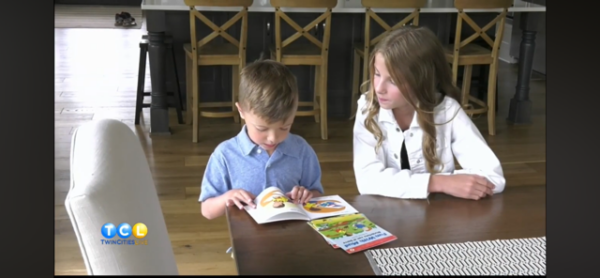
This was the case for Sully. Sully was struggling to pick up reading – not due to poor phonics skills – but poor memory. He was having difficulty recognizing the letters and the sounds associated with the letters. If his memory weaknesses were not addressed, this would have then moved to difficulties memorizing sight words. As kids enter second and third grade, they encounter non-phonetic words like “laugh” and “said”. Roughly 60% of our language consists of these types of words that readers cannot sound out. They must recognize these words, which requires strong memory and visual processing.
Building Reading Comprehension
Reading fluency is a building block to enabling strong reading comprehension. When reading is natural and second nature, a student’s brain is freed up to concentrate on the content of what they are reading.
Strong cognitive skills are the foundation to strong reading comprehension. For example:
- Memory enables retention. When this skill is weak, students forget details and must reread materials to retain what they are reading.
- Logic & Reasoning is required for full comprehension. Does the student comprehend the main point? Can they make the right inferences? Draw the correct conclusions?
- Visual processing is our mind’s eye, our ability to picture what we are reading. This visual association improves retention and the enjoyment of reading.
- Processing speed is crucial for strong fluency but is also required for reading comprehension. If a student processes slowly, it is more difficult to absorb the content of what they are reading.
Reading Skill Starts with The Brain – Not Instruction
Clearly instruction in reading is important. However, if a child lacks any of these cognitive skills, reading will prove difficult. This is how LearningRx reading training is different, as our training ensures reading is developed on a foundation of strong cognitive skills.
Like Sully experienced, our results in building reading skills are significant!
Recent peer-reviewed research published in the journal Psychology Research and Behavior Management, provided the results below:
- In a research study with more than 3,500 struggling readers, researchers found statistically significant changes in both reading skills and cognitive skills after 24 weeks of training with ReadRx.
- The average gain across five reading skills was 4.1 years in just 24 weeks.
- The average gain in phonological awareness was nearly 6 years in just 24 weeks.
- The average gain in phonetic coding was 5.5 years in just 24 weeks.
- The average gain in spelling was 2.2 years in just 24 weeks.
- The average gain in Word Attack was 2.9 years in just 24 weeks.
- The average gain in IQ score was nearly 14 points.
- Parents reported improvements in cognition, academic performance, and psychosocial skills.
Identifying the Root Cause of Reading Struggles
When the root cause of reading struggles is identified and addressed, reading fluency and reading comprehension skills are unlocked. The first step towards significant reading improvements is to schedule an assessment at LearningRx Eagan. This 60-minute assessment will identify why your loved one is struggling and enable a plan to address these issues.
Results are from past clients. You or your loved ones may or may not achieve the same outcomes, but you can learn more about our research and results here.